In a move that had been widely anticipated, the Trump administration last week filed a lawsuit seeking to overturn a newly enacted Illinois law that permits residents to sue federal immigration agents if they are arrested in or near courthouses, or if they believe their constitutional rights have been violated.
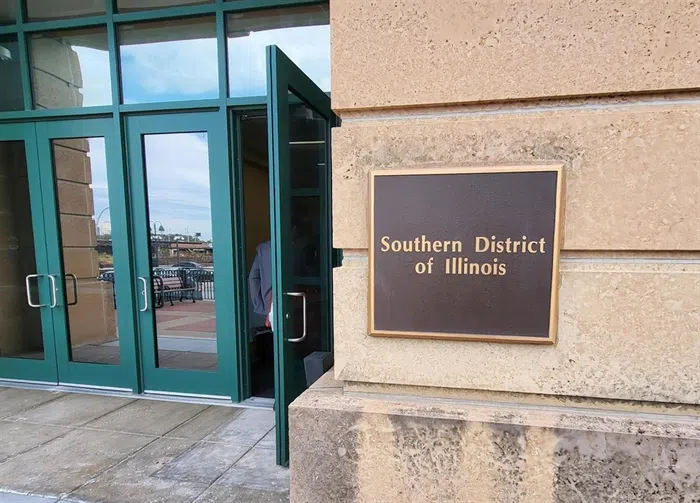
Filed by the Department of Justice in U.S. District Court for the Southern District of Illinois, the suit claims that the law—passed by the Democrat-led state legislature in October and signed by Governor JB Pritzker earlier this month—violates the Supremacy Clause of the U.S. Constitution and increases the risk that federal officers will face threats and harassment.
“Threatening officers with ruinous liability and even punitive damages for executing federal law and for simply protecting their identities and their families also chills the enforcement of federal law and compromises sensitive law enforcement operations,” the Department of Justice said in a statement.
The lawsuit names Governor JB Pritzker and Attorney General Kwame Raoul as defendants.
Responding to the lawsuit, a spokesperson for Pritzker told Capitol News Illinois, “The Trump Administration’s masked agents are not targeting the ‘worst of the worst’ — they are harassing and detaining law-abiding U.S. citizens and Black and Brown people at daycares, hospitals, and courthouses.”
“This new law reflects our belief that no one is above the law, regardless of their position or authority,” the spokesperson added. “Unlike the Trump Administration, Illinois is protecting constitutional rights in our state.”
Governor Pritzker signed the law following “Operation Midway Blitz,” a federal immigration enforcement campaign that began in the Chicago area in September.
According to the Department of Homeland Security, Operation Midway Blitz led to the arrest of more than 4,500 immigrants living in Chicago and its suburbs without legal permission. However, the raids also sparked violent confrontations between masked federal agents and protestors, sometimes near Immigration and Customs Enforcement facilities in suburban Broadview. Many of these incidents resulted in the use of tear gas and other chemical agents.
Top Illinois Democrats say the new law is a direct response to the blitz, aiming to provide safeguards for people interacting with immigration authorities. The law also imposes new requirements on public colleges and universities, hospitals, and child care centers, largely prohibiting them from disclosing the immigration status of students, patients, parents, and children.
Still, the law’s scope is limited. For example, it does not include an outright ban on law enforcement officers wearing face masks while on duty.
Senate President Don Harmon, D-Oak Park, acknowledged before the bill’s passage that the state was “playing with a stacked deck” against a federal government with the “upper hand,” and said legal challenges were likely.