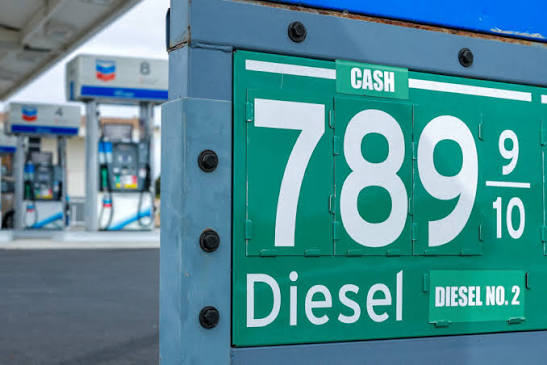
Higher diesel prices are affecting more than what drivers pay at the pump, with increased transportation costs potentially working their way into prices for groceries and other consumer goods.
Southern Illinois University Carbondale operations management professor Gregory DeYoung says diesel is critical to the economy, powering trucks that deliver products, farm equipment during harvest and much of the nation’s freight transportation system.
DeYoung said consumers could notice the impact first on groceries and other products that move quickly through stores, as fuel surcharges and transportation costs adjust to higher diesel prices. The effect could take longer to appear on vehicles, appliances and other products that may remain in inventory for months.
He said current diesel prices are influenced by the global market, including disruptions involving Russia and the Middle East. While the United States continues to have diesel available, international production and transportation problems can still influence domestic prices.
DeYoung said occasional shortages could also develop at individual gas stations or truck stops if retailers reduce inventories because of the high cost of purchasing fuel. He stressed that would be different from a nationwide supply shortage.
Gasoline prices could stabilize or decline as summer travel demand eases, but DeYoung said the outlook for diesel is less certain because demand remains closely tied to agriculture, freight transportation and industry.
More lasting relief, he said, would likely require increased global refining capacity and an easing of geopolitical disruptions affecting fuel production and transportation.